Rugged Phones
Rugged Phones and the Hidden Cost of Starting Over
November 23, 2026 · 5 min read · Nexoria Wireless
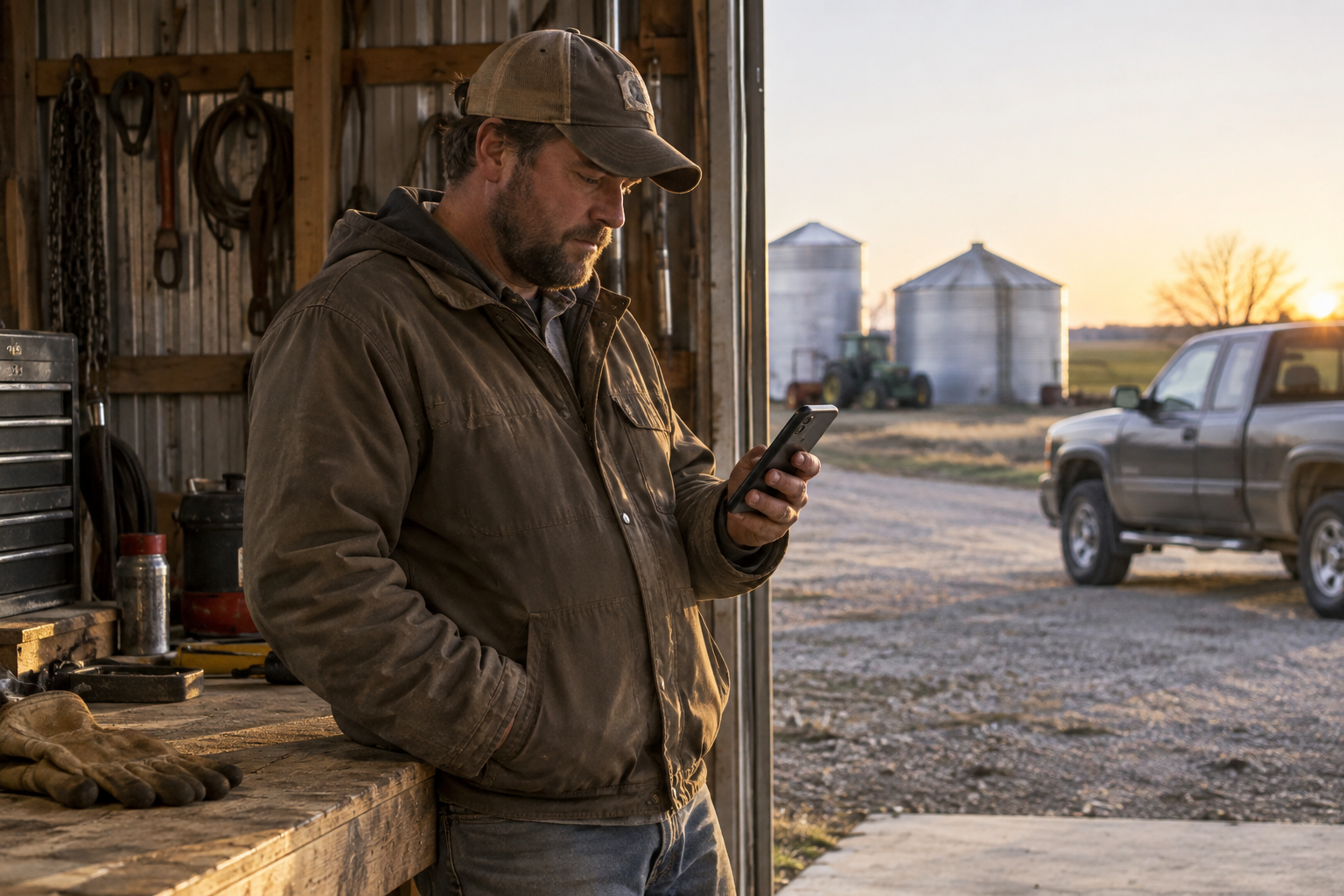
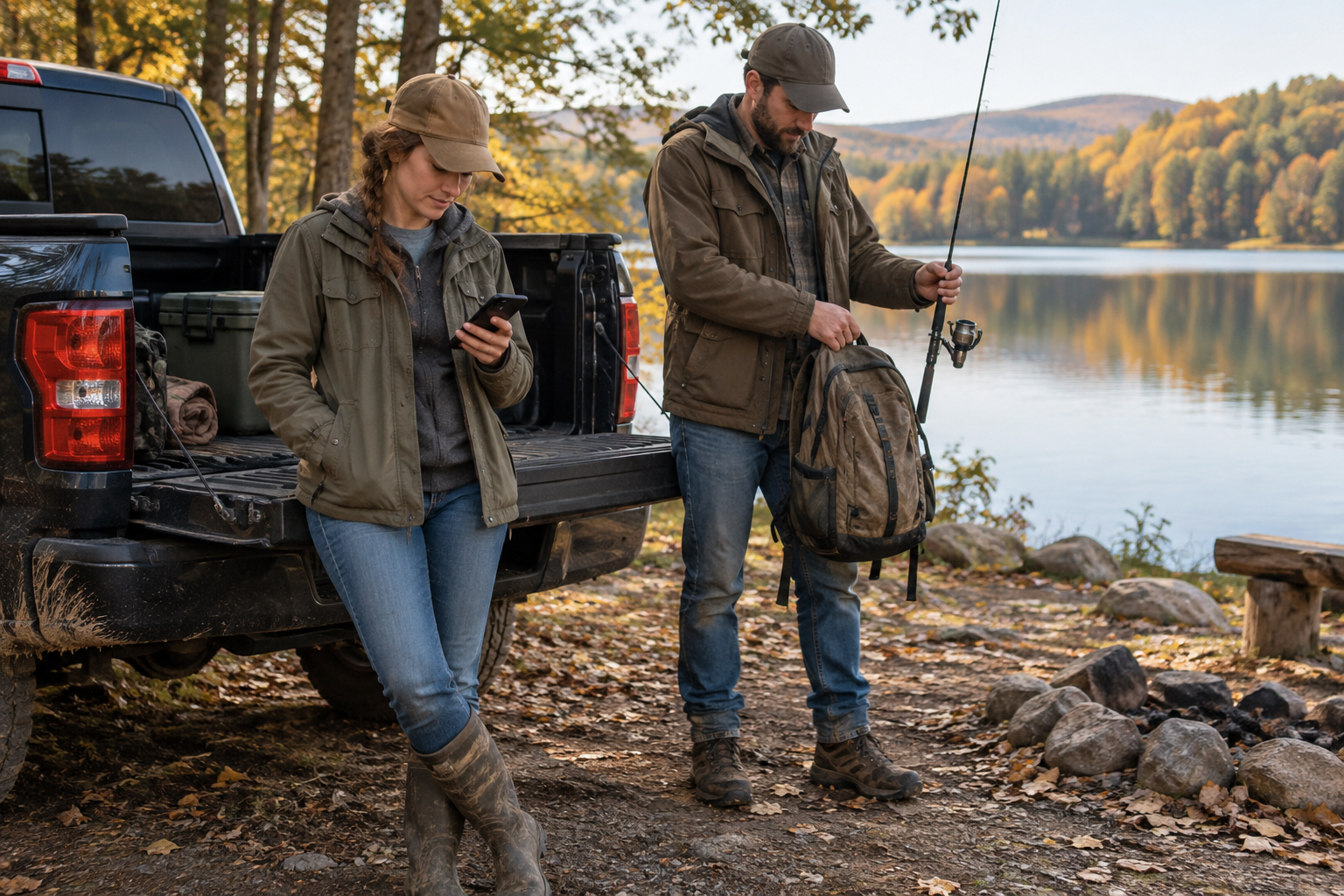
A broken phone rarely picks a convenient time. It happens when you need to call a customer, coordinate a pickup, or finish a day away from home. Then comes the repair trip, the replacement search, and the work of getting everything set up again. That is the real case for a rugged phone: not looking tough, but making everyday life less fragile. For people whose days include gravel, muddy boots, busy kitchens, or outdoor work, durability can matter more than a thinner frame.
The repair bill is only part of the cost
When people compare phones, the price at checkout gets most of the attention. But ownership keeps costing you time and money long after the box is open.
A damaged phone may mean a drive into town, time away from work, or borrowing another device while you wait. Even when your information is backed up, moving into a replacement can take patience. Apps need attention. Settings need checking. Familiar routines get interrupted.
Rugged phones are built with rougher handling in mind. Depending on the model, reinforced construction and protective designs can give them a better chance of handling accidental drops than an ordinary smartphone without added protection.
That does not make them unbreakable. A bad landing can damage any phone. The point is to reduce the chances that an everyday mistake becomes a whole new project.
For a farmer, delivery driver, parent, or small-business owner, avoiding that project can be worth more than having the sleekest phone in the room.
Real life includes water, dust, heat, and cold
You do not need an extreme job to put a phone through a rough day. Dust collects in workshops. Rain catches people between the truck and the house. Drinks spill at the kitchen table. Cold mornings and hot afternoons are part of outdoor work.
Many rugged phones are designed with protection against water and dust, and some are built for a wider range of temperatures. Those protections vary by model, so check the manufacturer's stated limits before choosing one.
Look for answers to practical questions:
- What kinds of drops has the phone been tested to handle?
- What water and dust protection does the manufacturer list?
- What operating temperatures are allowed?
- Are there instructions about closing port covers or drying the phone before charging?
- What damage does the warranty exclude?
Water resistance does not mean every kind of water exposure is safe. Temperature tolerance does not mean a phone should be left in a hot vehicle. Toughness is useful protection, not permission to ignore care instructions.
If that sounds like your daily environment, browse Nexoria's rugged phones. Nexoria carries Ulefone Armor and RugOne lineups, giving you rugged options to consider without assuming every model has the same protections.
Fewer charging stops can make a day easier
A phone that survives the workday still needs enough battery to finish it.
Many rugged designs make room for larger batteries instead of chasing the thinnest possible shape. Depending on the model and how you use it, that can mean longer stretches between charges than you would get from a slimmer everyday smartphone.
That extra breathing room matters when an outlet is not nearby. Think about moving between job sites, checking messages around the farm, or spending the afternoon at a child's outdoor event. Charging becomes one less thing competing for your attention.
Still, battery size alone does not tell the whole story. Navigation, video, screen brightness, temperature, and signal conditions all affect power use. Compare the specific phone's battery information with the way you actually spend your day.
There is also a trade-off: a larger battery and protective body can add weight. Pick a phone you can comfortably carry, not simply the biggest one available.
Built-in protection can simplify what you carry
An ordinary smartphone often starts slim, then gets wrapped in a thick case so it can handle ordinary life. A rugged phone takes a different approach by building more protection into the device itself.
For some owners, that means skipping a separate bulky case. You buy the protective shape from the start rather than adding another layer later.
That does not mean every rugged phone needs no accessories. You may still prefer a screen protector, holster, or other protection suited to the model and your work. Follow the manufacturer's guidance rather than assuming the shell protects every part equally.
The useful question is not, “Which phone is thinnest?” It is, “Which complete setup is easiest to live with?”
Compare the rugged phone with your current phone inside its case. Consider pocket space, grip, weight, and where it will sit while you drive or work. Built-in toughness is most valuable when you are comfortable carrying it every day.
Buy for a longer useful life, not just a lower price
A rugged phone can cost less over time if it helps you avoid repairs and early replacements. That is a possibility, not a promise. No phone comes with a guarantee that it will never break.
Think about the full cost: the phone, any accessories, repairs, and the time needed to replace it. A device that stays useful longer may be the better value even when its upfront price is higher.
Physical durability is only one part of longevity. Before buying, check the manufacturer's software support information, repair options, and whether the phone runs the apps you need. A strong shell cannot make up for a device that no longer fits your work.
If your current phone still does its job, keeping it may be the sensible choice. You can explore bringing your own phone rather than replacing it just to change service.
When replacement does make sense, Nexoria is worth considering for its rugged phone lineup and free shipping on every order. Nexoria is veteran-owned, with Dumok AI available for answers and help, while real people handle sensitive account actions.
You can also review how to keep your number, so choosing a different phone does not have to mean changing the number people already know.
The bottom line
Rugged phones make sense when your daily life asks more of a device than careful desk use. The right model can offer better protection, more time between charges, and fewer reasons to replace a phone early.
Choose for your actual conditions, check the limits, and weigh comfort alongside toughness. The best value is a phone that keeps fitting your life—not one that keeps sending you back to the store.
Ready for a more practical phone setup? Explore switching to Nexoria and take the next step toward less noise and more connection.
Bring your number and your phone to Nexoria
Keep the number everyone already knows. Bringing your number to Nexoria Wireless is free — start your number transfer here.
Love the phone you have? Check if your phone works with Nexoria in about a minute. Ready for something tougher? Shop our rugged phones with free shipping on every order.
Coming from Cricket or another carrier? See how easy switching is. Less noise. More connection.
Coverage and speeds vary by location, device and network conditions. Plans and prices may change. Cricket Wireless is a trademark of its owner; Nexoria Wireless is not affiliated with Cricket Wireless.
Ready for less noise and more connection?
Keep your number, pick a rugged or focused phone, and get real human support.