Rugged Phones
A Phone Shouldn’t Need a Careful Life
November 16, 2026 · 6 min read · Nexoria Wireless
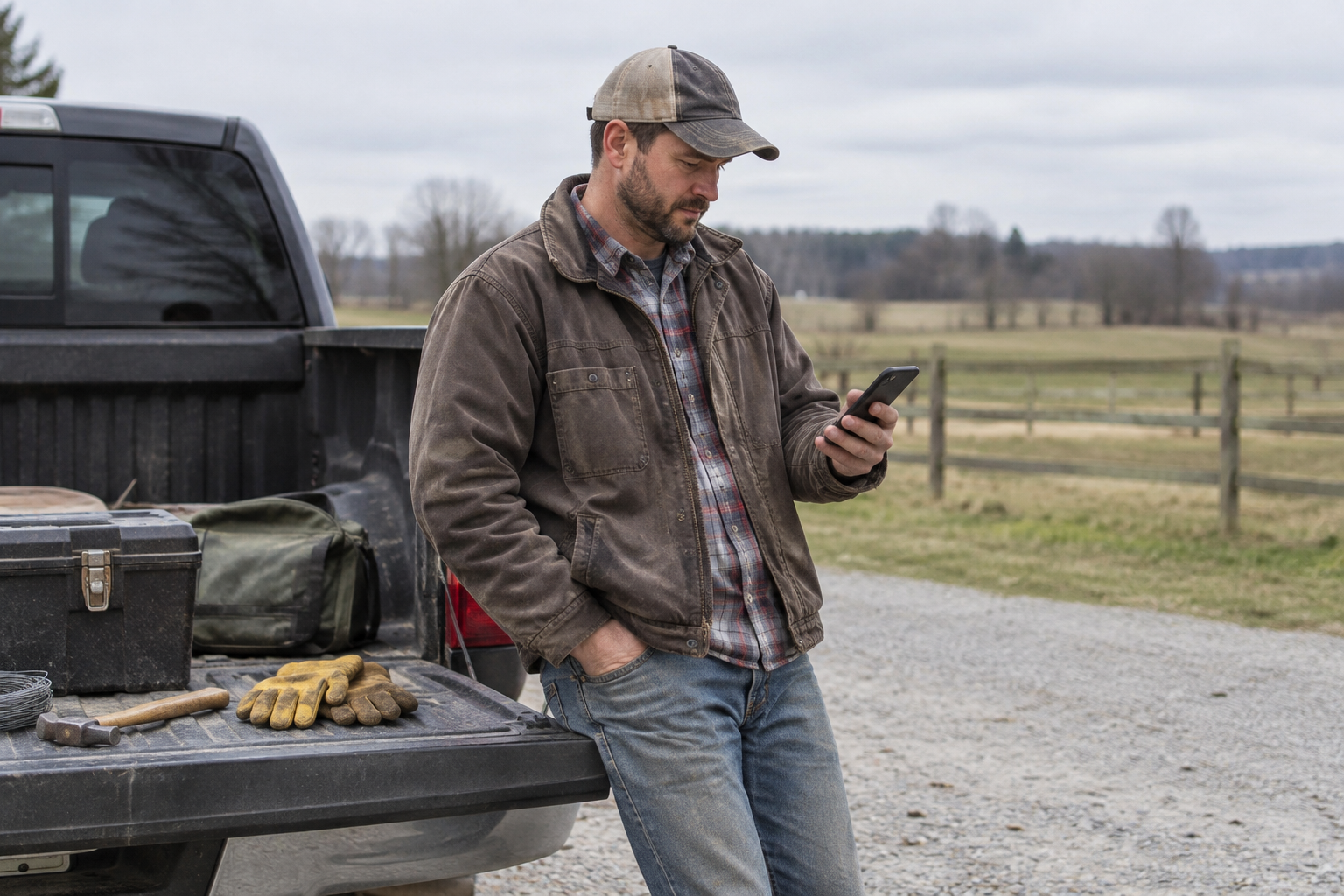
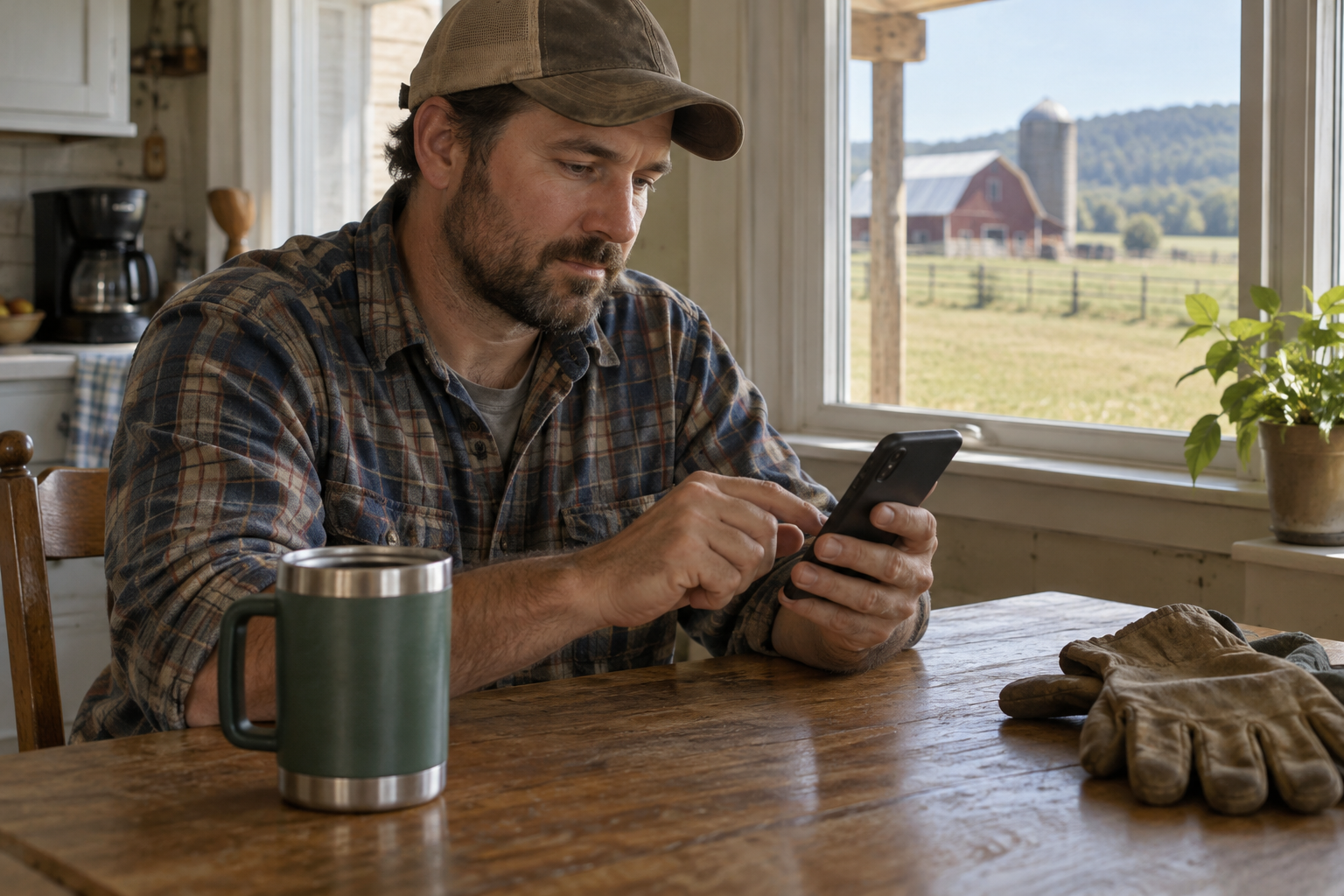
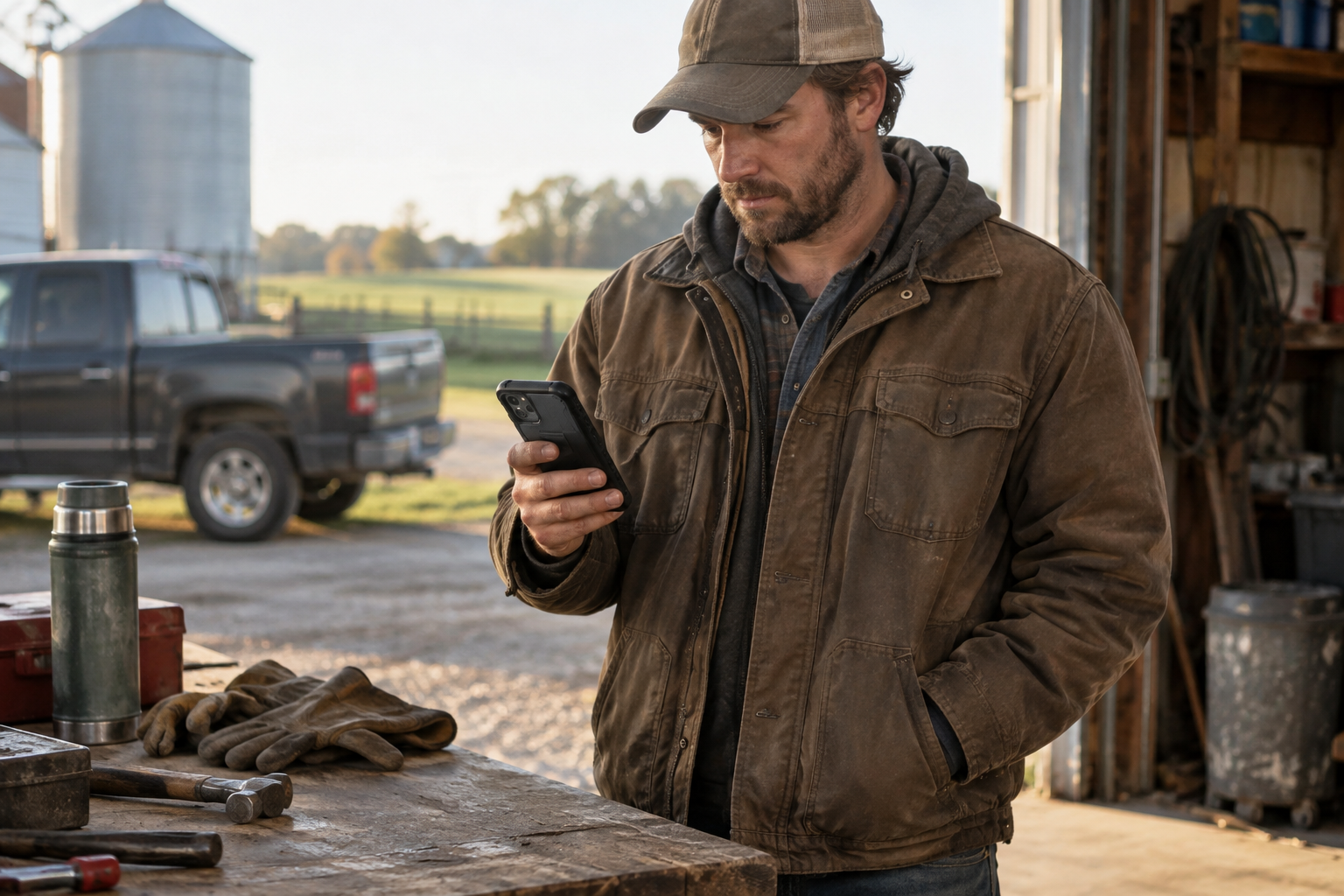
Most people don’t spend their days in places built to protect a smartphone. They carry groceries through the rain, climb into trucks, work around dust, and juggle tools with full hands. A phone goes along for all of it. That makes durability more than a feature for extreme adventures. For many everyday lives, a rugged phone can be the more practical choice—not because it is impossible to break, but because it is designed with rough handling in mind.
1. Everyday accidents shouldn’t become major interruptions
A dropped phone costs more than a moment of worry. If it breaks, you may need to arrange a repair, move your information, and work around a missing tool. For a small business owner or busy parent, that disruption can matter as much as the repair bill.
Rugged phones generally put more protection into the phone itself. Depending on the model, that can include reinforced corners, protective materials, and designs intended to resist water and dust.
Those differences can help when a phone slips from a pocket, gets caught in rain, or spends the day near dirt and sawdust. They don’t mean every rugged phone can survive every accident. A drop onto gravel is different from a fall onto a sharp metal edge.
Before buying, check the exact model’s published information for:
- Drop testing and any stated limits.
- Water and dust resistance ratings.
- Instructions for charging ports and protective covers.
- Care steps after exposure to dirt or moisture.
- Warranty terms, including any exclusions for accidental damage.
Water resistance is not a promise against all water damage. Still, choosing protection suited to your routine can reduce how much attention you spend guarding your phone.
2. Heat and cold belong on the shopping checklist
A phone that works well at the kitchen table may face a much harder day outside. Farm chores, outdoor repairs, and long workdays can expose it to changing temperatures along with bumps and dust.
Some rugged models are designed and tested for wider temperature ranges than ordinary smartphones. That can make them worth considering if your work regularly takes you outdoors. But the word “rugged” alone doesn’t tell you the operating limits.
Look for the manufacturer’s stated operating and charging temperatures. Those are separate details, and both matter. A phone may tolerate conditions during use that aren’t suitable for charging.
No phone is immune to heat or cold. Temperature can affect battery life and performance, even on a rugged device. Follow the model’s care instructions rather than treating a tough-looking shell as permission to leave it baking in a vehicle or exposed overnight.
The practical advantage is choosing a device designed for the conditions you actually face. It isn’t buying permission to ignore those conditions.
3. Battery room can make a long day easier
Battery life is another reason to look beyond the usual slim smartphone. Many rugged phones make room for larger batteries, although capacity and actual runtime vary by model.
That extra room can be useful when an outlet isn’t nearby. Think about a day split between job sites, errands, and an evening outside. Fewer charging stops can mean one less task to manage.
Still, a large battery is only part of the story. Screen brightness, navigation, video, apps, temperature, and signal conditions all affect how quickly a phone uses power. Don’t assume a battery claim describes your exact routine.
Start with your current experience. Does your phone get through a normal day comfortably? Or are you looking for a cable before the afternoon is over?
If charging is already a daily frustration, put battery capacity high on your comparison list. Also check the phone’s weight and charging requirements. A bigger battery often means more phone to carry, so the best choice balances useful runtime with comfortable everyday handling.
4. Built-in protection may replace the bulky case
An ordinary smartphone can feel wonderfully thin in the store. Then you add the protective case you need for work, and much of that thinness disappears.
A rugged phone takes a different approach: much of the protection is part of the device. Depending on the model and your needs, you may not need a separate bulky case.
That doesn’t automatically make a rugged phone smaller or lighter. Many are heavier than ordinary smartphones. Compare the complete setup you would actually carry—not a bare smartphone against a fully protected rugged device.
Consider how it will fit into your day. Will it sit comfortably in your pocket? Fit your existing vehicle mount? Feel secure in your hand? Check dimensions and accessory compatibility before buying.
If this approach sounds right for your routine, Nexoria is worth a look. Its rugged and focused phone lineup includes Ulefone Armor and RugOne models. Compare the individual models rather than assuming every phone has the same protection, battery, or size. Nexoria also offers free shipping on every order.
5. Judge the cost over the time you keep it
The lowest purchase price isn’t always the lowest cost of ownership. A phone that needs repeated repairs or an early replacement can become an expensive bargain.
A rugged phone can cost less over time if its protection helps you avoid those expenses. It may also stay useful longer if everyday knocks don’t force an upgrade. Neither outcome is guaranteed: rugged phones can break, and physical strength doesn’t solve every reason people replace a device.
Software support, battery condition, storage, and changing app needs matter too. Check those details alongside durability before deciding how long you expect to keep a phone.
Make a simple comparison using your own experience:
- What will the phone and necessary accessories cost?
- How often have you paid for repairs or replacements?
- How much trouble does a broken phone cause during work?
- Does the device meet your app and storage needs?
- Is its size comfortable enough for daily use?
If your current phone still serves you well, don’t replace it just to make a switch. Review Nexoria’s bring-your-phone information before deciding whether new hardware is necessary.
For shoppers who do need a tougher replacement, Nexoria offers a practical place to compare options. It is a veteran-owned U.S. prepaid wireless company. Dumok AI provides answers and help, while real people handle sensitive account actions.
The bottom line
A rugged phone makes sense when your life regularly asks more of a device than careful desk use. The right model can offer better protection, more breathing room between charges, and less need for an added case. If that prevents repairs or early replacement, it can also provide better value over time.
Choose by the model’s actual details, not the toughest-looking photo. If you decide to change service too, you can keep your current number when switching to Nexoria.
Ready for a phone setup that fits your real day? Explore switching to Nexoria and take the next step toward less noise and more connection.
Bring your number and your phone to Nexoria
Keep the number everyone already knows. Bringing your number to Nexoria Wireless is free — start your number transfer here.
Love the phone you have? Check if your phone works with Nexoria in about a minute. Ready for something tougher? Shop our rugged phones with free shipping on every order.
Coming from Cricket or another carrier? See how easy switching is. Less noise. More connection.
Coverage and speeds vary by location, device and network conditions. Plans and prices may change. Cricket Wireless is a trademark of its owner; Nexoria Wireless is not affiliated with Cricket Wireless.
Ready for less noise and more connection?
Keep your number, pick a rugged or focused phone, and get real human support.